

Whoa, this blew my afternoon. I was poking around wallets yesterday and got sidetracked. Ethereum wallets as browser extensions feel familiar but they hide small traps. Initially I thought any extension with decent UX and a lock icon would be fine, but then I noticed how sneaky permission prompts and fragmented account management actually make you vulnerable across chains and dapps. This is about picking a wallet that’s both secure and sane.
Seriously, did that happen? My instinct said nothing is perfect, and yet some wallets do lower the daily anxiety. Rabby stood out to me for a couple of practical reasons. On one hand it offers familiar extension convenience and multi-chain support, though actually the way it siloed approvals and added context-aware signing tools made me rethink how I had been using browser wallets for years. I’ll be honest—some features bug me, but many design choices feel thoughtful.
Hmm, here’s the rub. Extensions are easy targets because they’re always in your browser’s address space. That means a malicious site, a rogue extension, or a careless approval can cascade into real losses. So when evaluating an ethereum wallet that lives in Chrome or Firefox, you have to weigh permission hygiene, transaction preview clarity, and the quality of the signing UX, since those factors compound over dozens of interactions each week. Security isn’t just about encrypting the private key in storage.
Here’s the thing. Rabby has a few design moves that feel like they came from long usage. It groups approvals, shows richer tx details, and tries to simplify cross-chain bridging prompts. Initially I thought that was marketing fluff, but after clicking through a dozen dapps and testing simulated token approvals I realized those UI nudges actually prevent several common mistakes that I’d made in the past, like approving infinite allowances without a second thought. That said, it’s not infallible; no wallet is, and you still must practice good ops.
Wow, small wins matter. Little prompts that explain gas or show which contract is being called reduce error rates. Rabby’s transaction modal feels denser and more informative than many competitors. While some users prefer minimalism, for people who trade, stake, or interact with complex DeFi contracts every day, having deeper context before you sign can save you headaches and dollars, so that heft is a feature not a bug. I’m biased, but I prefer more information up front, even if it takes an extra click.
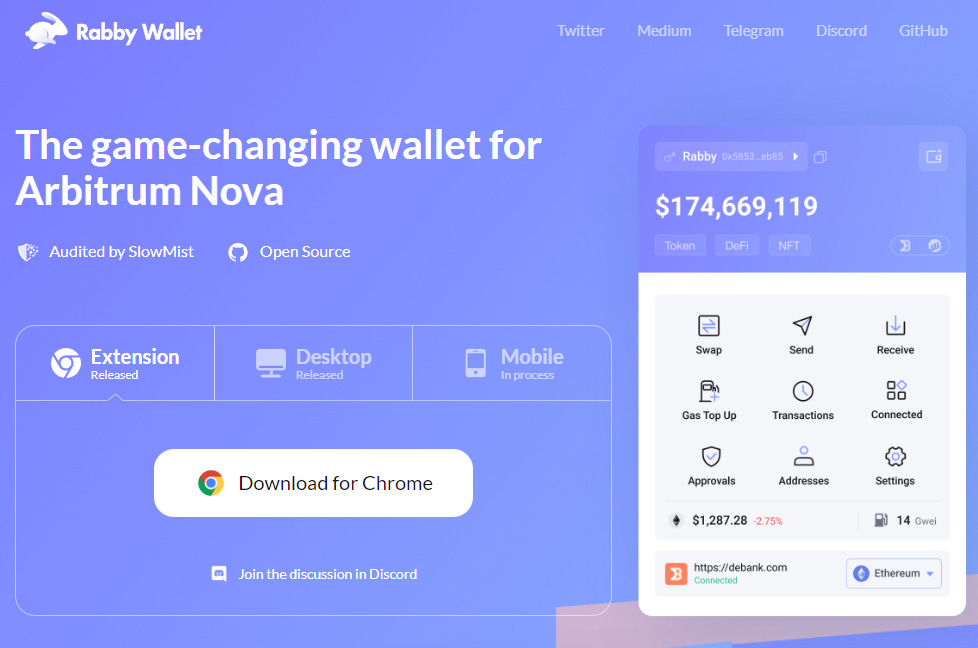
Okay, quick aside here. Installation is the obvious friction point; browser extensions are simple to add and hard to audit. You should install from official sources and double-check the extension ID if you care about security. I would recommend verifying releases and watching for impersonators; a rogue copy that mirrors a popular wallet but quietly exfiltrates approvals is a realistic attack vector that many people underestimate until it’s too late. For that reason, downloading from trusted channels and verifying the source matters a lot.
Check this out— If you’re curious, you can check Rabby in the extension stores. The extension asks for usual permissions and surfaces contract calls clearly. Because browser wallets interact with multiple chains and dapps, the UX choices about how to display ‘who is requesting what’ are subtle but crucial, and Rabby seems to have invested in clearer language and context so that users aren’t guessing why a site wants an approval. That investment shows when you compare identical flows across different wallets.
Hmm… I’m thinking. I tested swapping tokens, bridging, and signing typed data with it. Typed data signing is a particularly scary place because users often fail to inspect what they’re approving. So tools that show human-friendly descriptions and decode the raw calldata, or at least label function names and parameters, can be the difference between a harmless UX and a catastrophic mistake when interacting with sophisticated contracts. Rabby’s approach helps, though there’s room for more tooling around decoding complex calls.
Not perfect, though. Performance hiccups happen when you have dozens of accounts and multiple networks configured. Extensions need to keep state local while not slowing the browser. Some users with heavy multi-chain portfolios might prefer a dedicated desktop app or hardware integration because that trade-off (speed vs features vs security) becomes more apparent as the complexity of your holdings grows. Rabby supports hardware wallets, which is a big plus for power users.
Seriously, use a hardware wallet. I plug a Ledger into Rabby when I’m moving large positions. The extension acts as a middleman but doesn’t expose private keys. Even with hardware, the extension must present accurate transaction details and resist malicious script injection in the webpage, so the interface that mediates between the dapp and hardware signer must be trustworthy and clear, and Rabby’s recent iterations have focused on tightening those paths. That reduces risk significantly, though it doesn’t eliminate it entirely.
Okay, real talk. User education still matters more than shiny features, honestly. I see people paste private keys into scripts and then wonder why funds vanish. On one hand wallets can add guardrails like withdrawal limits, granular approvals, and session scoping to reduce blast radius; on the other hand such features add complexity and require users to think differently about approvals, so adoption is a mix of UX and behavior change interventions. Rabby tries some of those guardrails, and you can customize settings to fit your risk tolerance.
Where to get it
If you want to try it for yourself, here’s the official place to get a legit rabby wallet download (verify the source, please).
Here’s my takeaway. For everyday DeFi users who want a browser extension that feels modern and deliberate, Rabby is worth checking out. It balances clearer transaction context with multi-chain convenience. If you’re comfortable verifying extension sources, using hardware signers for large moves, and treating wallet approvals like permissions you would audit, then using Rabby can streamline your workflow and reduce common mistakes that other lighter-weight wallets let slip by. Download responsibly, and keep a habit of verifying contract interactions.
FAQ
Is Rabby safe for large holdings?
Short answer: use hardware for large amounts. Rabby supports hardware integrations which reduces key exposure (but remember the UI must still be trusted). I’m not 100% sure about every edge case, but combining hardware with cautious habits cuts a lot of risk.
Can Rabby handle multiple networks?
Yes, it supports multiple chains and network switching. That convenience is great, though heavy multi-chain use can reveal performance trade-offs and requires careful account management to avoid mixing assets accidentally.
What should I check before installing any wallet extension?
Verify the source, read recent release notes, confirm the extension ID if possible, and consider hardware signing for big moves. Also, practice on small amounts first—it’s a small habit that saves a lot of pain later.

Reporter. She loves to discover new technology.
